



.JPG/jcr:content/renditions/cq5dam.web.320.320.jpeg)

Share This:
This reality struck Dr Amar Bose during a flight from Zurich to Boston in 1978. Airlines had been providing in-flight audio through pneumatic headphones since 1963, but they were gradually transitioning to electronic ones. Dr Bose, eager to experience this audio upgrade, found himself disappointed. Electronic headphones could deliver superior sound to fliers, but aeroplane cabins were too noisy to hear it.
But then, Dr Bose had an audio epiphany: Using basic physics, he conceived of a headset that uses a microphone to detect external noise, and electronics to generate an equal and opposite signal that cancels it out before it reaches the listener’s eardrums. Thus, the first pair of noise cancelling headphones was born.
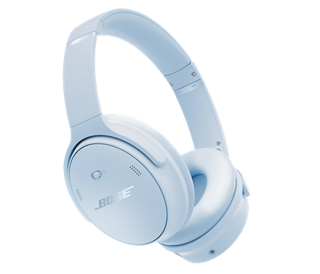
The relentless hum of an aircraft cabin, a blend of engines, air and wind, prompted Dr Bose’s invention of noise cancelling headphones. Now, on any given flight, you’ll spot them as commonly as laptops and coffee cups. Bose QuietComfort Headphones and Bose QuietComfort Ultra Headphones not only vanquish cabin clamour but also deliver premium sound. Plug them into the plane’s entertainment system via an auxiliary cable for crystal-clear music, films, shows and podcasts, all without cranking up the volume. In your own auditory haven, even if your neighbour gets a bit too close, you’ll be in bliss. Just a heads-up: when you take them off, the cabin volume might be a shock.
If you’re into true wireless in-ear earbuds, pack Bose QuietComfort Ultra Earbuds for immersive audio and noise cancellation that rivals over-ear models. With a battery life ready for flights under 6 hours, they’re a reliable travel companion. For longer journeys, a 20-minute charge gives you an extra 2 hours. Note, though, that current planes lack Bluetooth-enabled systems, so make sure to pre-download your entertainment for smooth, non-stop streaming.
Travel agency Agoda asked more than 10,000 global travellers what they found to be the most annoying travel habits – the top pet peeve is noisy passengers.
Since you can’t predict how chatty your fellow passenger might be, pack your trusty noise cancelling headphones. They send a clear signal that you’re in the zone and not up for small talk. Even if your neighbour decides to chat, all you’ll hear is your music, films and podcasts.
However, there are voices you should tune in to, like the pilot or flight attendants. This is where adjustable noise cancellation levels come in handy. QuietComfort Ultra Headphones, QuietComfort Ultra Earbuds and Bose QuietComfort Headphones come equipped with Aware Mode, so you can hear your surroundings with a single touch.
Flight anxiety is real. According to the Association of America, 20 per cent of the US population are so afraid of flying that they avoid it altogether. If you have a flying phobia, consider noise cancelling headphones. They do a great job of creating personal pockets of quiet space. They also make your music sound lifelike. This important combination can make noise cancelling headphones a great option for people dealing with stress.
An aeroplane cabin is a symphony of sounds, from announcements to rustling food packets. Finding serenity in this environment can be a challenge. But with noise cancelling headphones, you can transform this auditory landscape into your private sanctuary.
However, it’s not just about what you block out; it’s also about what you let in. The Bose app makes it easy to control your music. Tap into the in-flight Wi-Fi® to stream a soothing station from your favourite streaming music service. Or choose a relaxing playlist from your own music library.




You’ve selected the maximum number of items (4) to compare.
Maximum of 4 items reached
You can only compare similar products.
Only compare similar products.
(0)
Select 2 to 4 products to compare


Are Bose headphones good for travelling?
Yes. Bose headphones are ideal for travelling as they can block out unwanted noise and provide a more enjoyable audio experience.
What are travel headphones?
Travel headphones are headphones that are designed to be portable and easy to use while on the go, whether you're travelling by plane, train or car.
What features should I look for in travel headphones?
When choosing travel headphones, look for features such as noise cancellation, comfort, durability, battery life and portability.
What is noise cancellation technology in travel headphones?
Noise cancellation technology in travel headphones is designed to block out external noise, making it easier to enjoy music or films in noisy environments.
Are there travel headphones with built-in microphones for phone calls?
Yes. Our headphones feature built-in microphones that allow for hands-free phone calls while on the go.
Can travel headphones be charged while on the go?
Yes. Many travel headphones come with a charging case that can recharge the headphones while on the go, making them ideal for long trips.